In the pursuit of an accessible, barrier-free world, every detail of urban infrastructure matters. Among these, PVC tactile paving tiles stand out as a silent, reliable guide for visually impaired individuals, transforming ordinary sidewalks, stations, and public spaces into safe, navigable routes. As a durable, cost-effective alternative to traditional concrete or rubber tactile paving, PVC tactile tiles have become the go-to choice for modern accessibility projects worldwide, balancing functionality, longevity, and universal design.
What Are PVC Tactile Paving Tiles?
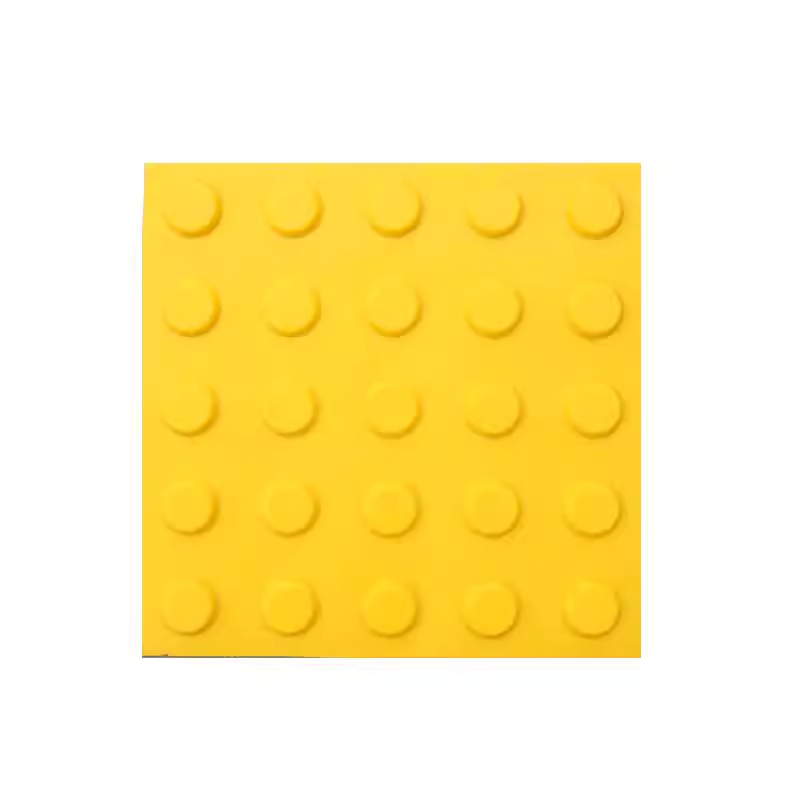
Tactile paving (also called tactile ground surface indicators, TGSI) is a system of raised, textured surfaces designed to alert visually impaired pedestrians to potential hazards and guide them along safe paths. PVC tactile paving tiles are prefabricated, modular tiles made from high-quality polyvinyl chloride (PVC).
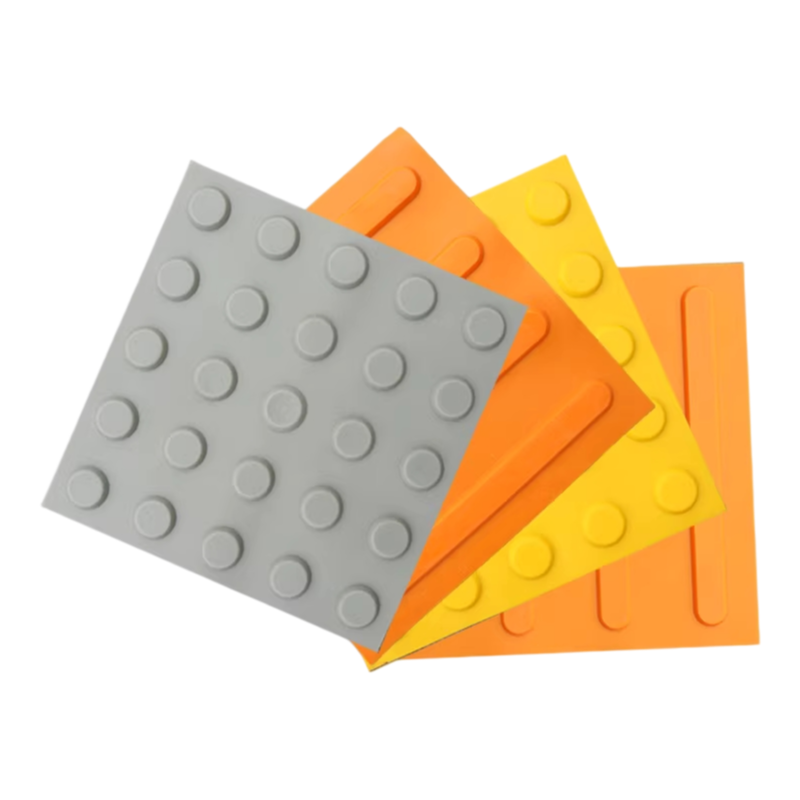
Unlike permanent concrete installations, PVC tiles are lightweight, easy to install, and available in two core functional designs:
- Truncated Dome Tiles (Warning Tiles): Featuring a grid of raised, rounded domes, these tiles signal “caution” to visually impaired users, alerting them to upcoming hazards like road crossings, platform edges, or stairways.
- Longitudinal Bar Tiles (Directional Tiles): With parallel, raised bars, these tiles provide a continuous, tactile guide, directing users along safe walking routes, sidewalks, and transit corridors.
Why Choose PVC Tactile Paving Tiles?
PVC tactile tiles offer unique advantages that make them superior to traditional materials for accessibility projects, whether for new construction or retrofitting existing spaces:
1. Unmatched Durability & Weather Resistance
High-grade PVC is inherently resistant to UV rays, extreme temperatures (-40°C to 80°C), moisture, corrosion, and abrasion. Unlike concrete (which cracks over time) or rubber (which degrades in sunlight), PVC tiles maintain their shape, texture, and color for 8–10 years of heavy outdoor use. They are slip-resistant even in wet or icy conditions, ensuring year-round safety for all pedestrians.
2. Easy Installation & Low Maintenance
PVC tiles are modular and lightweight, making them far easier to install than poured concrete. They can be directly bonded to existing concrete, asphalt, or tile surfaces with standard adhesive, cutting installation time by 70% and reducing labor costs. Maintenance is minimal: simply wipe or hose down to remove dirt, with no need for regular repairs or resurfacing.
3. Cost-Effective Accessibility Solution
PVC tactile tiles deliver exceptional long-term value. Their low upfront cost, fast installation, and minimal maintenance reduce total project expenses by 30–50% compared to concrete alternatives. They are also fully reusable: if a space is renovated, tiles can be removed, cleaned, and reinstalled, eliminating waste and reducing future project costs.
4. Universal Design & High Visibility
PVC tiles are manufactured in high-visibility colors (standard bright yellow, with gray, orange, and custom options available) that are easily detectable by both visually impaired users (via touch) and sighted pedestrians (via sight). The raised domes and bars have a consistent height (5mm, compliant with global standards) that is comfortable underfoot for all users, including those with mobility aids like wheelchairs or walkers.
5. Eco-Friendly & Safe
High-quality PVC tactile tiles are made from non-toxic, recyclable materials, free from harmful chemicals like lead and cadmium. They are fire-retardant, anti-static, and odorless, making them safe for indoor use (e.g., subway stations, shopping malls, hospitals) and outdoor use alike, with no environmental impact during production or disposal.
Key Applications of PVC Tactile Paving Tiles
PVC tactile tiles are versatile, suitable for nearly all public and commercial spaces where accessibility is a priority:
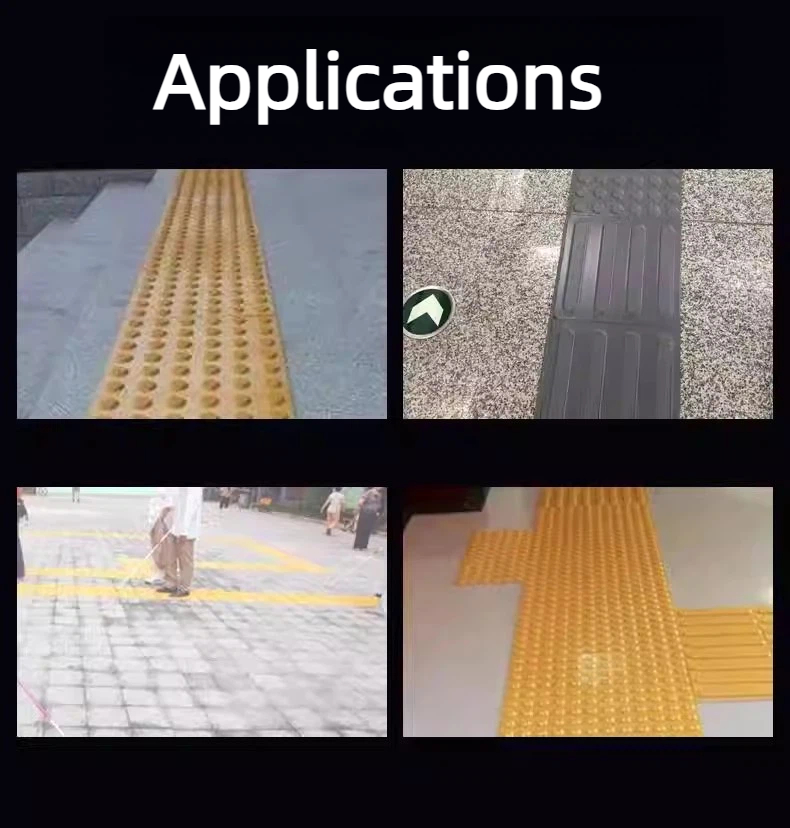
- Urban Infrastructure: Sidewalks, crosswalks, bus stops, and street intersections, guiding visually impaired pedestrians through city streets.
- Transit Hubs: Train stations, subway platforms, airports, and ferry terminals, alerting users to platform edges and guiding them to boarding gates.
- Public Buildings: Hospitals, schools, government offices, and shopping malls, creating accessible routes from entrances to elevators, restrooms, and key facilities.
- Residential Communities: Apartment complexes, senior living centers, and housing estates, ensuring safe navigation for all residents.
- Specialized Spaces: Stadiums, theme parks, and tourist attractions, making public venues inclusive for all visitors.
How to Select the Right PVC Tactile Tiles
Choosing the correct tiles ensures compliance with accessibility standards and maximum safety for users:
- Select the Right Type for the Scenario:
- Use truncated dome tiles for hazard warnings: platform edges, stairways, road crossings, and driveway entrances.
- Use longitudinal bar tiles for directional guidance: sidewalks, corridors, and continuous walking routes.
- Prioritize Material Quality: Choose 100% virgin PVC (not recycled) for maximum durability, UV resistance, and texture retention.
- Ensure Compliance: Verify that tiles meet international standards (ISO 14801, ADA, or local accessibility regulations) for dome/bar height, spacing, and slip resistance.
- Choose the Right Color: Bright yellow is the global standard for high visibility; select gray or custom colors for indoor spaces or aesthetic matching.
- Consider Installation Needs: For temporary projects or retrofits, choose self-adhesive tiles; for permanent outdoor installations, select heavy-duty tiles with industrial-grade adhesive.
Industry Trends: The Future of PVC Tactile Paving
As global accessibility regulations become stricter and cities prioritize inclusive design, the PVC tactile paving market is evolving rapidly:
- Smart Integration: Next-generation tiles are being integrated with IoT sensors to detect pedestrian flow, monitor tile condition, and trigger real-time alerts for maintenance.
- Sustainable Materials: Manufacturers are developing bio-based PVC and recycled-content tiles to reduce carbon footprints, aligning with global green building standards (LEED, BREEAM).
- Customized Solutions: Tailored tiles for specific scenarios, such as anti-slip tiles for snowy regions, fire-resistant tiles for underground stations, and branded tiles for commercial spaces, are becoming mainstream.
- Retrofit Focus: With 90% of existing public spaces requiring accessibility upgrades, PVC tiles are the leading solution for fast, cost-effective retrofitting, driving global market growth.
Conclusion: Small Tiles, Big Impact on Inclusivity
PVC tactile paving tiles are more than just construction materials—they are a cornerstone of inclusive urban design, empowering visually impaired individuals to navigate the world independently and safely. For city planners, property managers, and construction teams, choosing high-quality PVC tactile tiles is not just a compliance requirement; it is a commitment to building a world where everyone, regardless of ability, can move freely and with dignity.
We specialize in premium PVC tactile paving tiles, with a full range of warning and directional tiles in standard and custom sizes, colors, and specifications. All our products meet international accessibility standards, with fast delivery, professional installation guidance, and long-term after-sales support. Let’s work together to build barrier-free, inclusive spaces for all.